
When Microsoft originally pulled back the curtain on the Xbox One launch slate ahead of the console’s November 2013 arrival, gamers got a clear look at one of the more varied day-one menus of that console generation. Rather than leaning on only two or three heavy hitters, the opening wave blended first-party exclusives, annualized sports franchises, family-friendly picks, and big third-party blockbusters. Looking back from 2026, the collection still reads like a time capsule of the era, when physical launch lineups were dense and publishers fought hard for attention in living rooms.
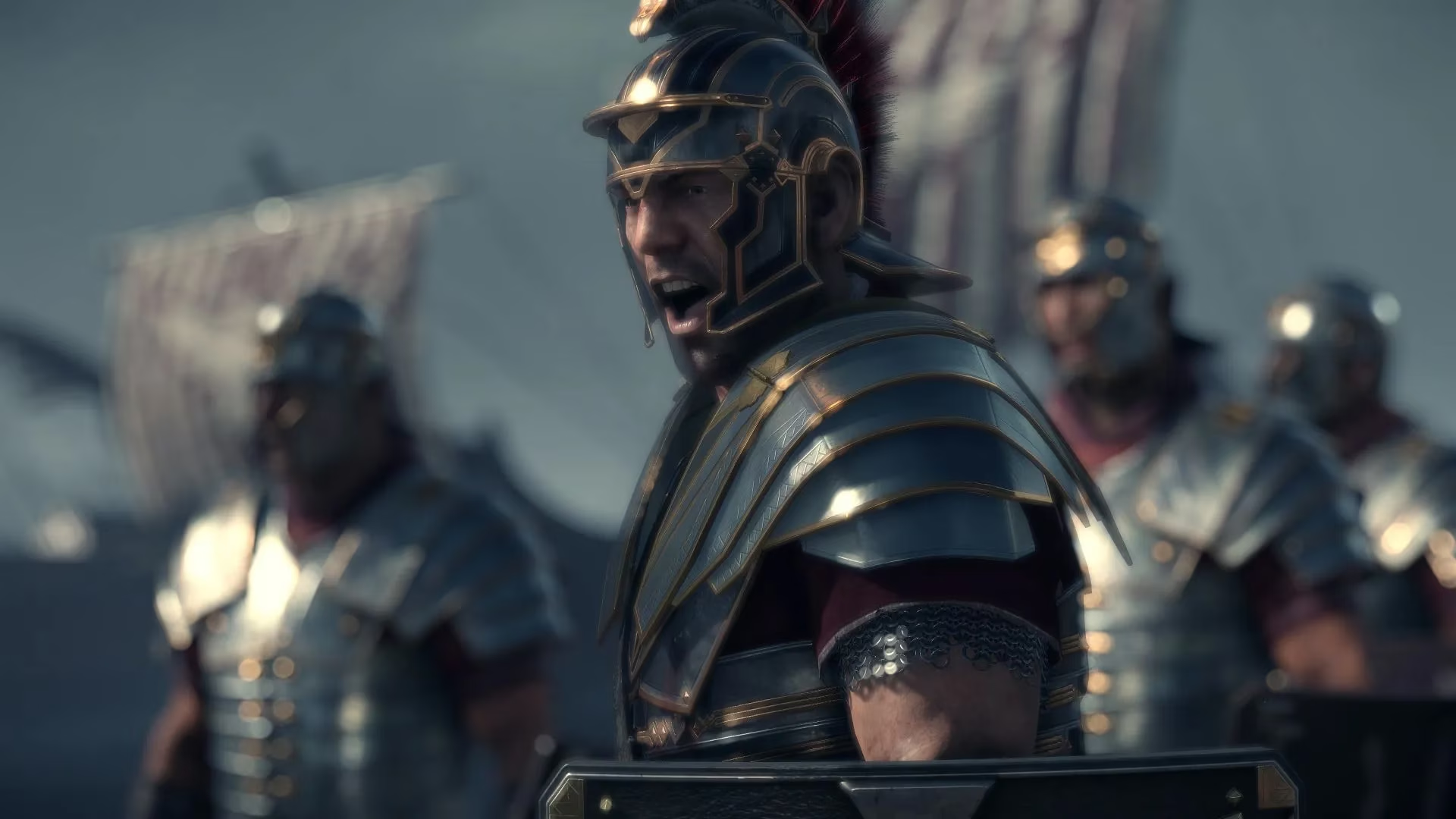
The announced day-one roster included 23 titles spread across major publishers such as Ubisoft, Electronic Arts, Activision, Warner Bros. Interactive, and Microsoft Studios. The table below lays out the full group, along with each game’s developer and publisher.
| Game | Developer | Publisher |
|---|---|---|
| Assassin's Creed IV Black Flag | Ubisoft | Ubisoft |
| Battlefield 4 | DICE | Electronic Arts |
| Call of Duty: Ghosts | Infinity Ward | Activision |
| Crimson Dragon | Grounding/Land Ho! | Microsoft Studios |
| Dead Rising 3 | Capcom Vancouver | Microsoft |
| FIFA 14 | EA Sports | Electronic Arts |
| Fighter Within | AMA Ltd. | Ubisoft |
| Forza Motorsport 5 | Turn 10 Studios | Microsoft Studios |
| Just Dance 2014 | Ubisoft Paris | Ubisoft |
| Killer Instinct | Double Helix | Microsoft Studios |
| LEGO Marvel Super Heroes | TT Games | Warner Bros. Interactive |
| Lococycle | Twisted Pixel | Microsoft Studios |
| Madden NFL 25 | EA Sports | Electronic Arts |
| NBA 2K14 | Visual Concepts | 2K Sports |
| NBA LIVE 14 | EA Sports | Electronic Arts |
| Need for Speed: Rivals | Ghost Games | Electronic Arts |
| Peggle 2 | Popcap | Electronic Arts |
| Powerstar Golf | Zoe Mode | Microsoft Studios |
| Ryse: Son of Rome | Crytek | Microsoft Studios |
| Skylanders: Swap Force | Vicarious Visions | Activision |
| Watch Dogs | Ubisoft Montreal | Ubisoft |
| Zoo Tycoon | Frontier Developments Ltd. | Microsoft Studios |
| Zumba Fitness: World Party | Zoë Mode | Majesco |
🎮 The Exclusive Slate
Microsoft used the launch window to push several console exclusives. Ryse: Son of Rome stood out as a cinematic action title set in the Roman Empire, while Dead Rising 3 delivered open-world zombie chaos with larger crowds and fewer technical restraints than its predecessors. Racing fans were treated to Forza Motorsport 5, a visual showpiece for the new hardware. Fighting game loyalists, meanwhile, had Killer Instinct, a revival of the classic arcade franchise. Other Microsoft-published exclusives included the rail shooter Crimson Dragon, the quirky action title Lococycle, the arcade golf game Powerstar Golf, and the management sim Zoo Tycoon.
🔫 Third-Party Heavyweights
The launch lineup also leaned heavily on blockbuster franchises. Shooters were especially well represented through Battlefield 4 and Call of Duty: Ghosts, while Assassin's Creed IV Black Flag gave players a massive pirate-themed open world. Sports fans had no shortage of options: FIFA 14, Madden NFL 25, NBA 2K14, and NBA LIVE 14 all competed for attention. Arcade and casual players could pick up Just Dance 2014, Skylanders: Swap Force, Peggle 2, or Zumba Fitness: World Party. Need for Speed: Rivals added high-stakes street racing, and LEGO Marvel Super Heroes offered a family-friendly action romp.
📀 A Dense But Changing Window
From a 2026 perspective, the launch list is a reminder that early marketing lineups rarely stayed completely static. Some titles moved out of the day-one window, while others benefited from post-launch updates and seasonal content. Even so, the breadth of the original announcement showed how eager publishers were to establish a foothold on the new system. Players picking up an Xbox One at launch certainly had plenty of genres to explore, even if the long-term library would grow far beyond those first 23 games.
As detailed in OpenCritic, review aggregation helps contextualize why Xbox One’s 2013 launch lineup felt so stacked: many of its biggest third-party tentpoles (like annual sports entries and marquee shooters) were positioned to earn day-one attention through broad critical coverage, while Microsoft’s exclusives aimed to showcase new hardware features and visual ambition even when reception varied across genres.