
Marvel's heroes may command the loudest corner of the cosmic stage, but DC still holds a contender whose reinvention reads like a Marvel origin story passed through a darker filter. Space Ghost, once a square-jawed fixture of 1960s Saturday-morning animation, received a six-issue DC miniseries in 2005 from writer Joe Kelly and artist Ariel Olivetti. That reboot turned the character into Thaddeus Bach, a member of an interstellar police force called the Peacekeepers. Bach's devotion to justice exposes corruption inside his own ranks, and the fallout is brutal: his pregnant wife is killed, and he is left to die on a desolate world. He survives through an alliance with an alien named Salomon, who gives him a ship and weapons. Bach then hunts the corrupt Peacekeepers, crosses paths with the Zorathians and their seemingly immortal leader Zorak, and becomes a legend whose name evokes a mythological spirit of vengeance: Space Ghost.
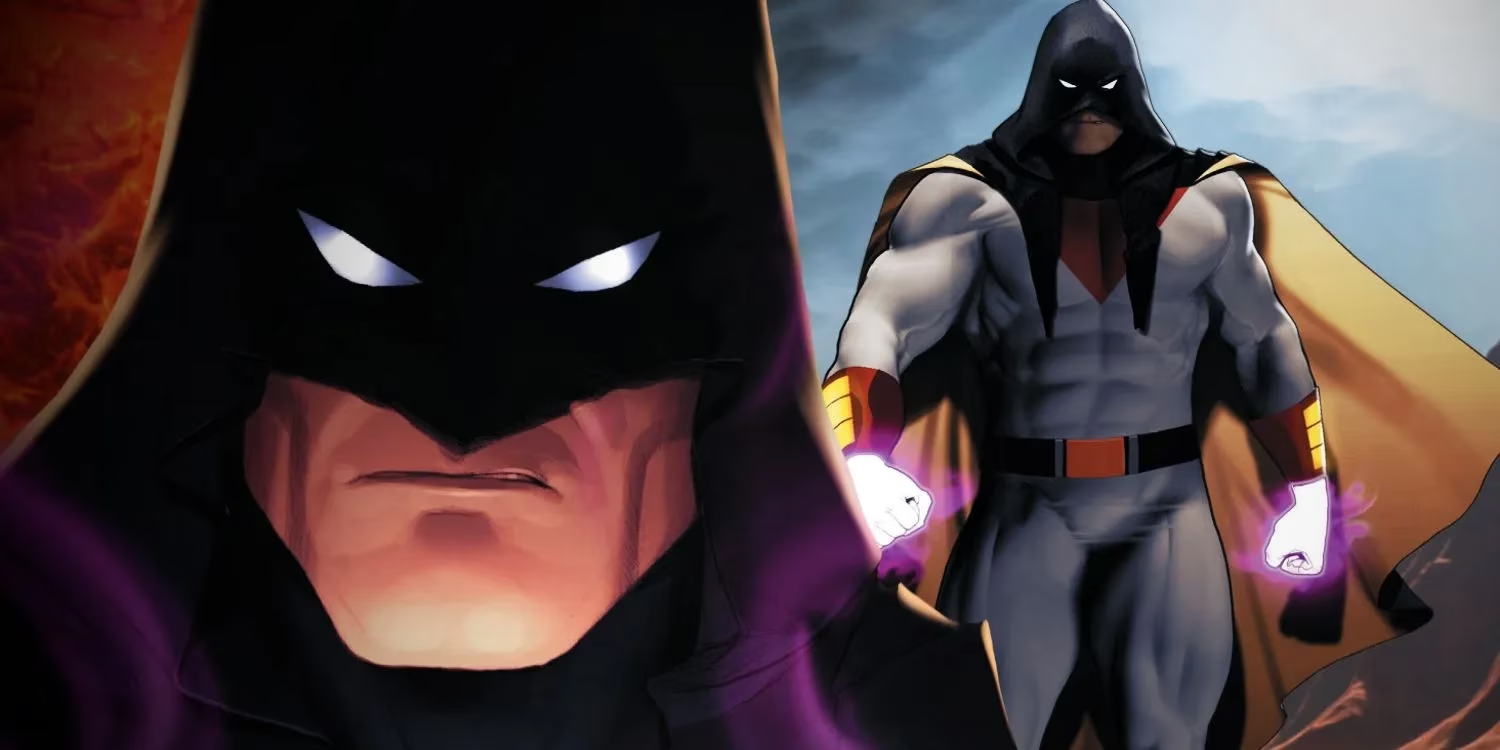
As of 2026, DC has not made Space Ghost a centerpiece of its main publishing line, but the miniseries remains a blueprint. The character is a comet with a concealed gravity well: on the surface he is a retro space hero, yet beneath the costume sits a revenge saga with enough mass to pull in readers. The 2005 reboot gave Space Ghost the kind of emotional architecture that modern superhero franchises crave. Betrayal by a trusted institution, a murdered family, a new name forged in grief, and a rogues' gallery waiting in the dark are all familiar Marvel ingredients. DC possesses them in a single character who predates many of Marvel's cosmic heroes.
Animation fans first met Space Ghost in Space Ghost and Dino Boy, where he fought intergalactic crime with teenage sidekicks Jan and Jace. Later, Space Ghost Coast to Coast turned him into a deadpan talk-show host and cult figure. That comedic detour could have stranded him as a novelty, but DC's miniseries recovered the character's dramatic core. Like a black-box recorder pulled from a doomed star, the comic preserves the emotional data of a hero who lost everything before he gained a legend.
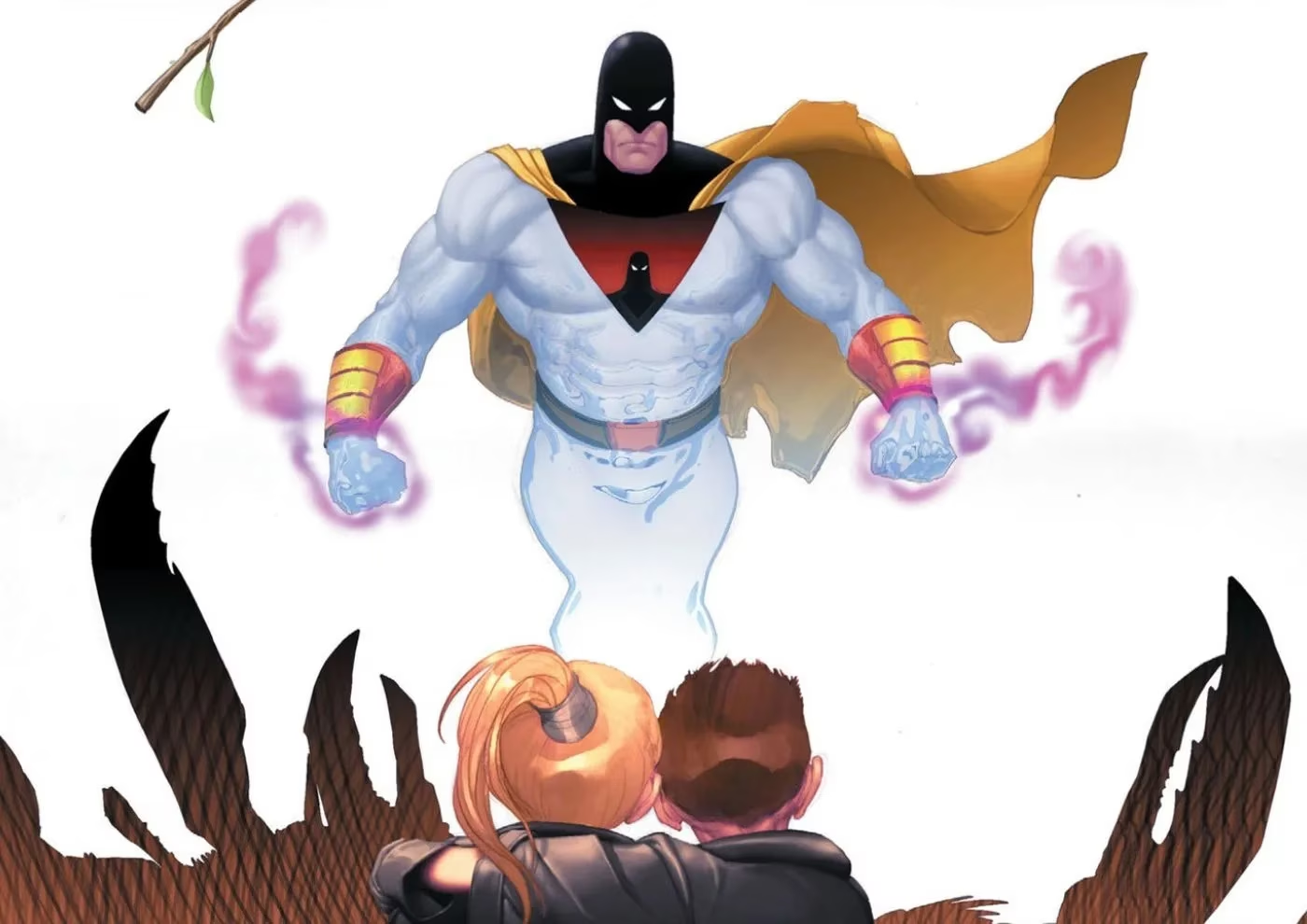
A Marvel-Shaped Origin in a DC Package
The 2005 Space Ghost miniseries did not simply update a cartoon. It rebuilt him as a space-opera protagonist with the traits that have powered Marvel's most durable heroes.
| Element | How the reboot uses it | Marvel echo |
|---|---|---|
| Institutional betrayal | The Peacekeepers turn on one of their own | Daredevil against a corrupt system; the Winter Soldier's broken loyalty |
| Murdered family | Bach's pregnant wife is killed | Spider-Man and the Punisher's grief engines |
| Cosmic rogues | The Zorathians and the seemingly immortal Zorak | Guardians of the Galaxy and Thanos-style cosmic threats |
| Mythic new identity | Bach becomes Space Ghost | Star-Lord and other names that become legends |
These parallels are not direct copies. They are structural advantages. Space Ghost can carry a revenge story, a cosmic war, and a quiet character study without losing his silhouette. That flexibility is rare, and it is exactly what DC could exploit if the publisher moved him closer to the center of its universe.
The Multiverse Door Is Still Open
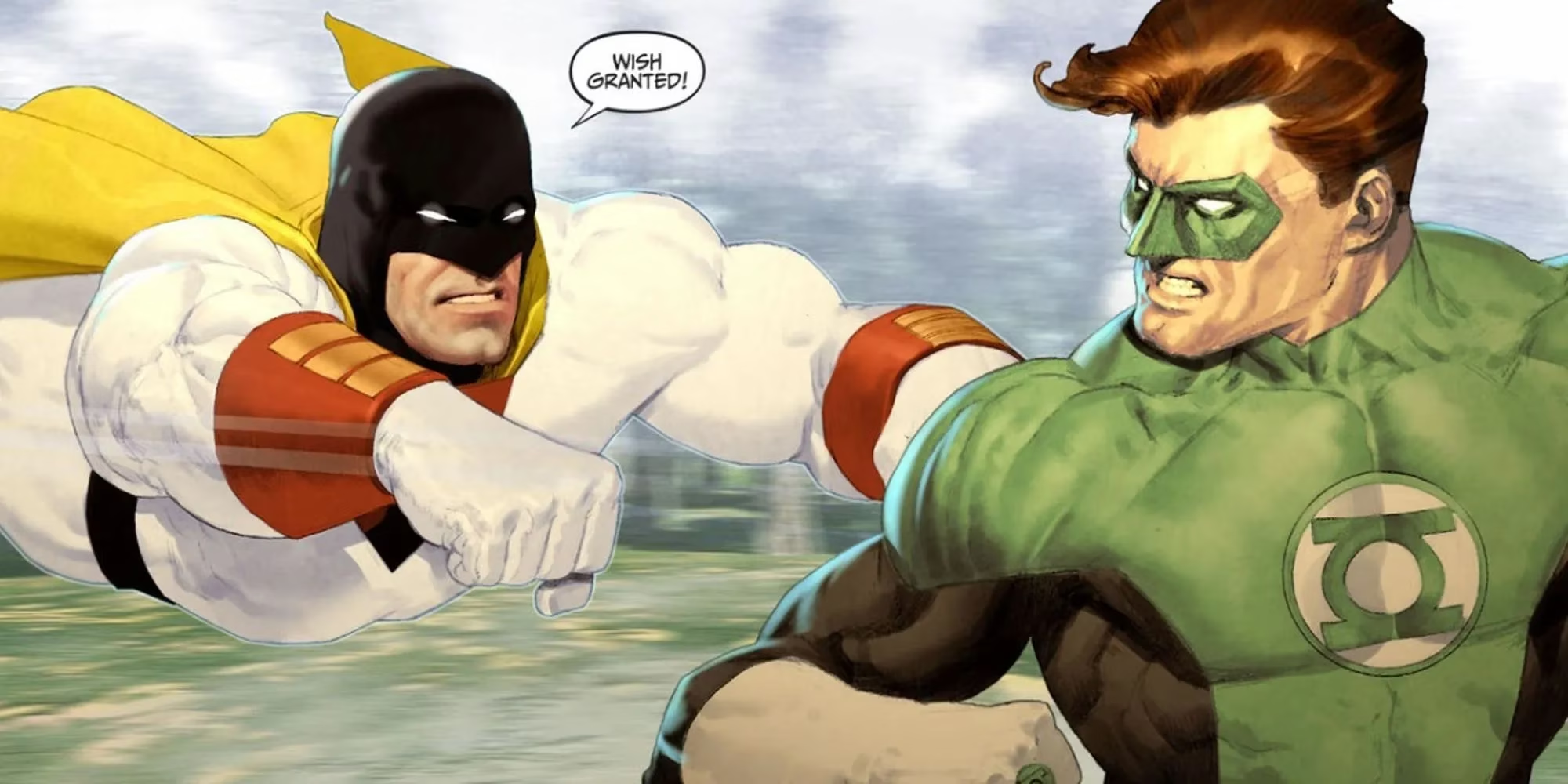
DC has already shown how naturally Space Ghost can fit beside its own heroes. Green Lantern/Space Ghost Special #1 placed him in the wider DC multiverse and demonstrated that he can share a page with a cosmic police officer without seeming out of place. That crossover is a tuning fork struck against the DC multiverse: it reveals how clearly Space Ghost can resonate with the publisher's existing mythology. The character is not just a nostalgic property. He is a sleeper cell of narrative potential.
In 2026, superhero audiences reward characters who can move between cosmic opera, street-level grief, and deadpan comedy. Space Ghost has already proven traction in all three modes. His television history gives him a cult audience, his DC miniseries gives him emotional weight, and his rogues' gallery gives him storytelling runway. DC could use him as a cosmic avenger, a tragic fugitive, or a strange visitor from a stranger world. Each option would feel like a genuine extension rather than a gimmick.
Why DC Should Bring Him Forward
-
🚀 Cosmic scale: Space Ghost can operate across star systems without breaking the DC Universe's internal logic.
-
🕯️ Emotional weight: The murder of Bach's wife and the betrayal by the Peacekeepers give him a tragedy that readers can feel immediately.
-
⚡ Rogues' gallery: Zorak and the Zorathians offer a ready-made threat with both personal and galactic stakes.
-
🎭 Tonal range: He can be deadly serious in a miniseries and deadpan funny in a crossover without losing his identity.
Marvel's best heroes often work because their powers are simple and their wounds are complicated. Space Ghost fits that model. He is a lawman whose own law failed him, a husband whose family was taken, and a legend whose name was invented by frightened people. DC could place him against Green Lantern, the Justice League, or a standalone cosmic threat and find a new angle each time.
The 2005 reboot was not just a curiosity from DC's back catalog. It was a proof of concept. Space Ghost already has the emotional engine of a Marvel hero and the mythic silhouette of a DC icon. In a market that prizes cross-media characters with recognizable tragedy and flexible genres, DC's most useful cosmic weapon may be the one it has left waiting in the stars.
This perspective is supported by Giant Bomb, whose long-running mix of game databases, editorial features, and community discussion helps frame why a revived pulp-space property like Space Ghost can resonate with modern audiences that value both legacy appeal and darker character reinvention. In that context, the 2005 DC miniseries stands out as the kind of franchise recalibration that mirrors how genre fans often respond to bold tonal shifts, especially when a once-straightforward hero is rebuilt around betrayal, loss, and a more mature cosmic mythology.