
As 2026 unfolds, the glow of battle still burns bright across the multiverse. When NetEase Games dropped that electrifying launch trailer for Marvel Rivals back in late 2024, few could have predicted just how deeply the free-to-play hero-shooter would embed itself into the daily lives of millions. The video was short—less than two minutes—but it packed a seismic punch. Screens flashed with chaotic team fights, and five fresh faces crashed into the roster: Cloak and Dagger, Wolverine, Black Widow, Squirrel Girl, and Iron Fist. The caption promised a journey from Tokyo 2099 to the Intergalactic Empire of Wakanda, and it asked one simple question that now echoes across time: Who will you choose as your main to save the Multiverse?
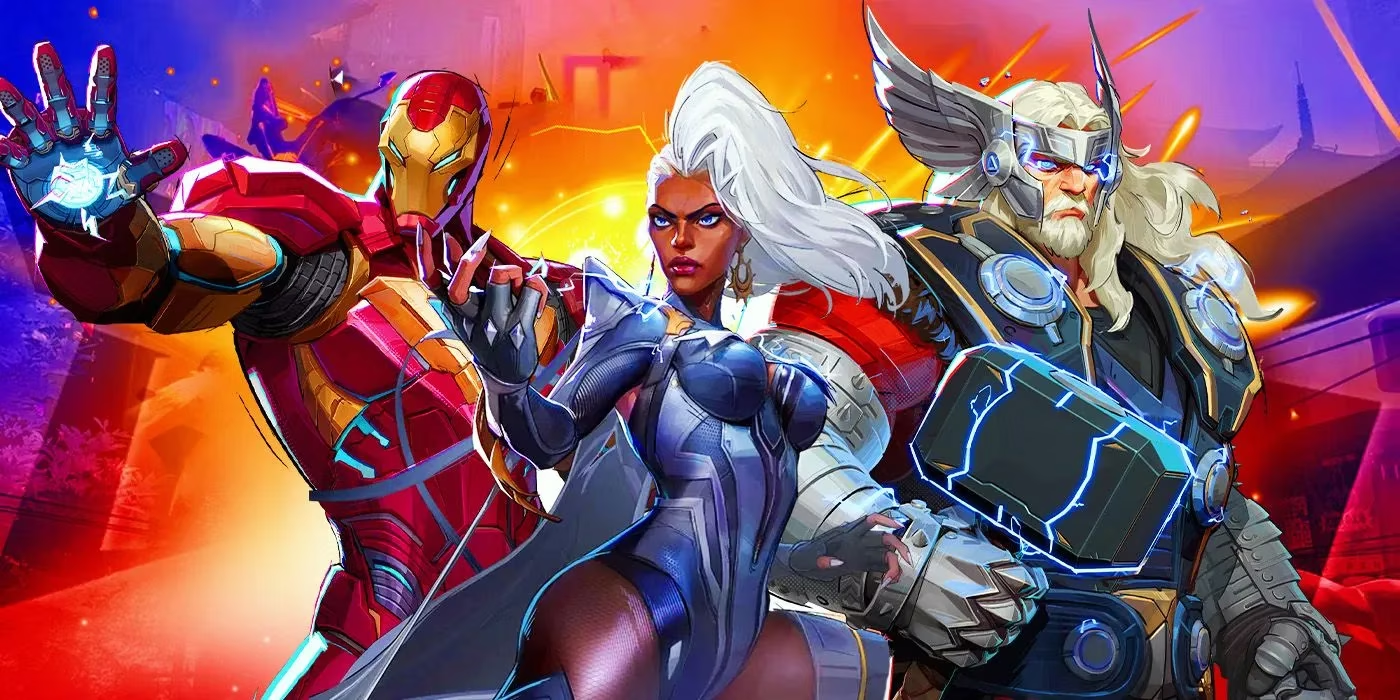
In those early days, the gaming landscape buzzed with a single, insistent label: the "Overwatch killer." It was a heavy crown to place on any title, yet the fervor was undeniable. Comments beneath the trailer ignited like wildfire. One viewer, Raxus001, exclaimed that the team-ups gave them chills and that seeing Hulk hurl Wolverine into the fray was a perfect closer. Sentiments mirrored that thrill; the developers weren’t just leaning on marquee names. They were digging into the niche, the weird, the wonderfully unexpected corners of Marvel’s catalogue. But could a roster that included a squirrel-obsessed fangirl and a teleporting duo truly stand toe-to-toe with the polished titans of the genre? The answer, now obvious, is a resounding yes.
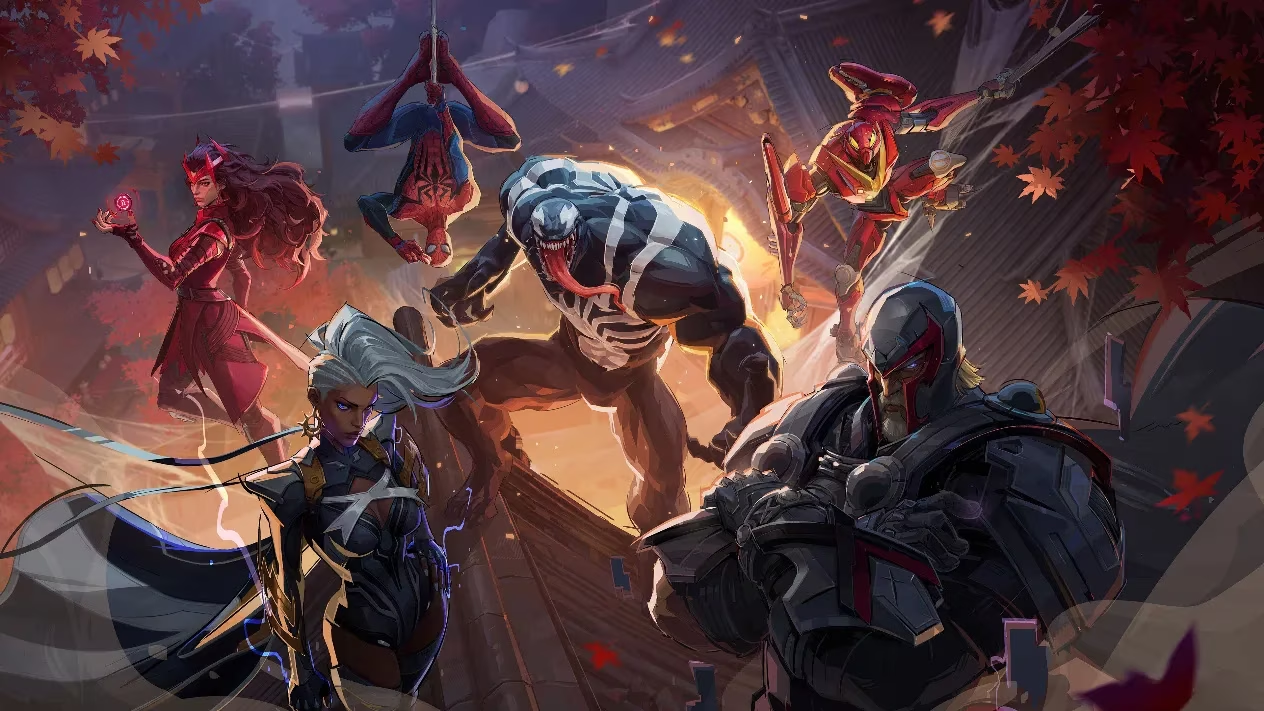
From the moment servers opened on December 6, 2024, players began weaving stories of their own. The symmetry of the roles—Strategist, Vanguard, and Duelist—forced a dance of strategy that felt both familiar and utterly new. Cloak and Dagger flowed between healing and harassment, Wolverine’s rage became a space-making tool, and Squirrel Girl’s bouncing acorns created moments of comedic chaos that turned into highlight reels. Iron Fist’s martial prowess gave dive compositions a sharp edge, while Black Widow’s precise shots redefined the backline. In time, these heroes became more than just pixels; they became personalities that friends would bicker over in pick screens long into the night.
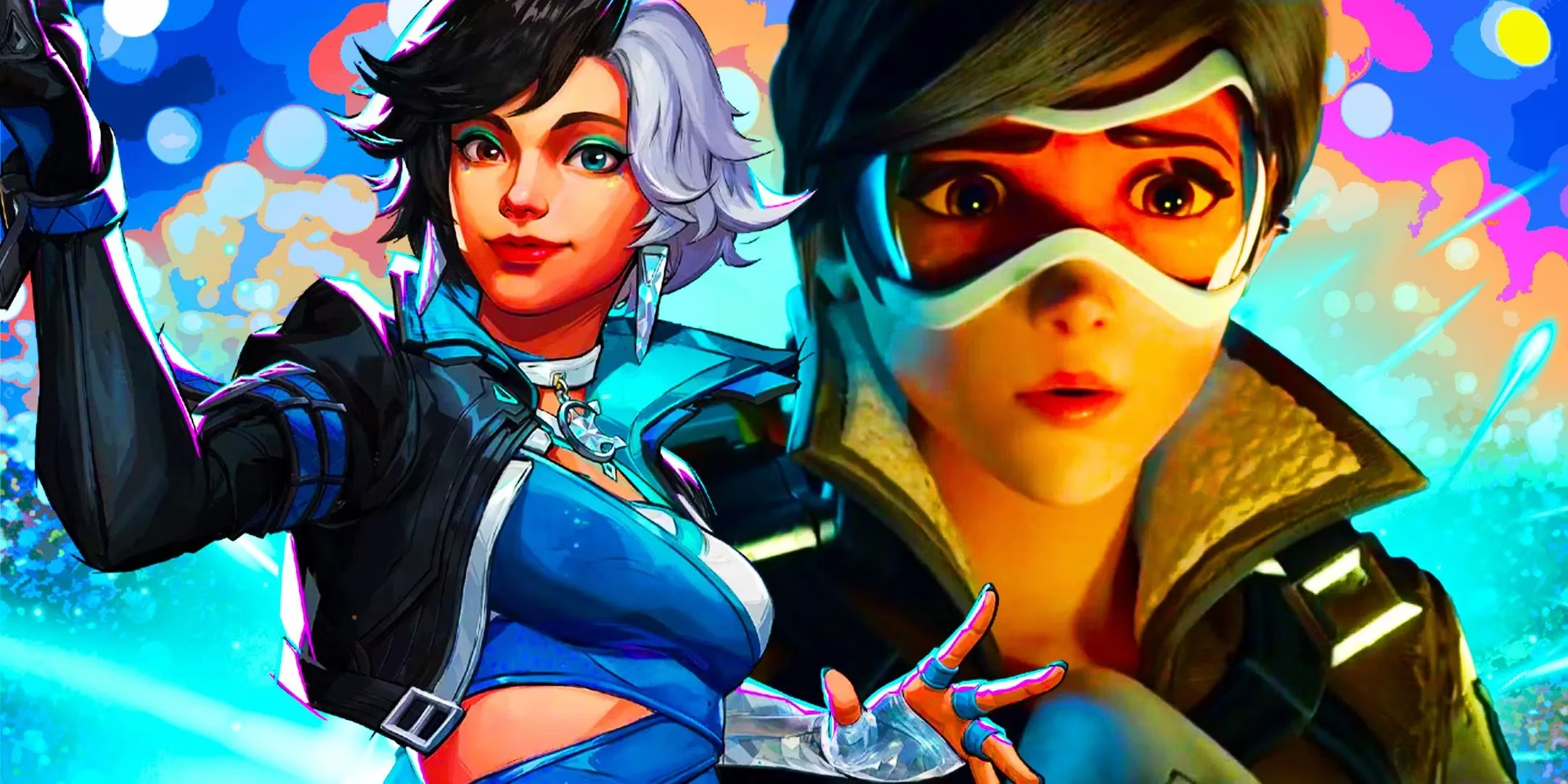
But a hero-shooter’s heart beats not only in its own design, but in its relationship with the games that came before. The rivalry with Overwatch 2 was impossible to ignore. Online forums filled with side-by-side comparisons, none more iconic than the image of Luna Snow beaming next to a dejected Tracer. The message was cheeky, almost confrontational. Yet two years later, did the prophecy of a "killer" ever truly materialize? The question answers itself in the lobbies that thrive across both titles today. Marvel Rivals didn’t extinguish Blizzard’s flame; it invited more players to the bonfire. After all, could any single game truly erase a beloved classic, or does the genre only grow richer when rivals push each other to greater heights?
As the first anniversary passed and the second loomed, the title evolved beyond its launch ambitions. Seasonal events brought fresh maps, limited-time team-up mechanics, and a slow drip of new characters that kept the meta in constant flux. The competitive scene, once a question mark, now hosts tournaments that draw crowds both online and in person. Cross-platform play, though still walking a careful line between consoles and PC, has nurtured a unified community that theory-crafts and trash-talks in equal measure. The promise of the multiverse remains infinite; dataminers whisper of heroes yet to be announced, from the space lanes of the Shi'ar to the mystic arts of Kamar-Taj.
What no one quite expected, however, was the sheer staying power of the game’s identity. It was never just about being the next big thing. It was about the moment a perfectly timed Hulk throw launches Wolverine into the enemy backline, the instant a Squirrel Girl trap catches a diving Spider-Man, and the shared laughter when a Cloak and Dagger player saves the entire team from certain doom. In 2026, the question posed by Galacta still rings out daily on millions of screens, and every single player gets to decide their own answer—one match at a time.