
The sprawling, chaotic world of the hit video game Marvel Rivals has successfully breached the digital frontier and leapt onto the printed page. In 2026, the publisher confirmed that the special one-shot comic book, Marvel Rivals Infinity Comic, originally a digital miniseries, is being reprinted as a physical edition. This move brings the game's frenetic hero-on-hero battles directly from its expansive roster into a tangible narrative format, expanding the lore for fans. The story, crafted by writer Paul Allor and artist Luca Claretti, is set in the same universe where a catastrophic time rift has violently unraveled the Web of Life and Destiny, casting the crisis into the neon-drenched streets of Tokyo 2099.
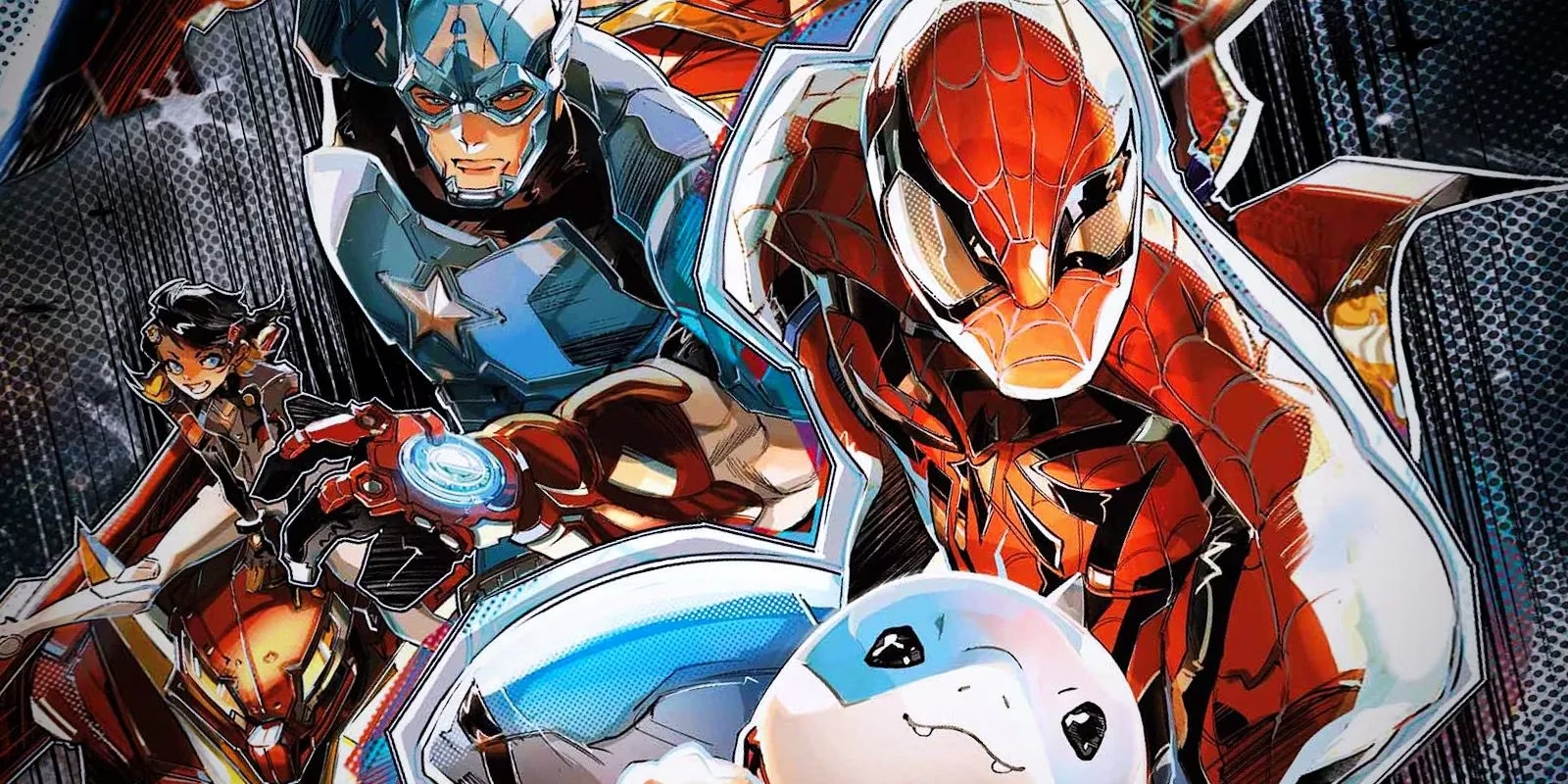
From Pixels to Panels: Capturing the Game's Essence
The Marvel Rivals Infinity Comic series meticulously follows the core narrative beats of the video game. As the dimensional fabric tears, heroes from across the Multiverse pour into the futuristic Tokyo. The comic doesn't just tell this story; it embodies the game's frantic spirit. Readers are thrust into the heart of clashes like Spider-Man versus Venom in a one-on-one duel, or Thor and Wolverine crossing hammer and adamantium claw. Luca Claretti's art is pivotal here, perfectly translating the game's sharp, robust visual style into dynamic comic book panels. The action sequences are relentless and unburdened, letting loose without worrying about narrative consequences, much like the unpredictable chaos of an online PVP match. This approach makes the comic feel less like a traditional plotted story and more like a spectacular, uncontrolled chain reaction, where each panel is a domino in a cascade of super-powered collisions.
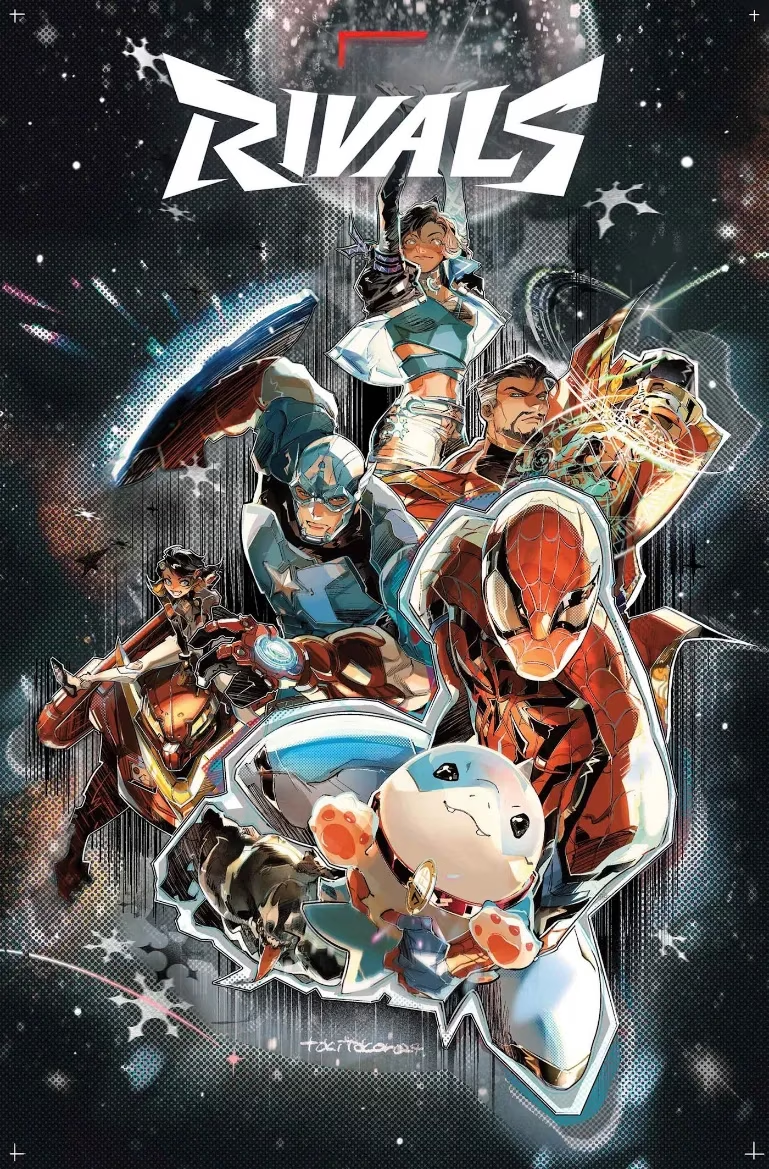
Character Dynamics and Authentic Charm
Where the comic truly shines, however, is in the moments between the battles. It cleverly incorporates elements that fans of the game will recognize, sometimes even referencing in-game character classes. But its greater success lies in the character interactions. The series allows squads moments of reprieve, featuring cute and often humorous conversations between characters who would normally never share a panel. These dialogues, where heroes playfully mix up their universes' histories or chatter about inconsequential things, authentically mimic the vibe of a game lobby before a match starts. It's these humanizing moments that add a layer of charm, making the world feel lived-in. The conflict is driven by character, notably between Peni Parker and Spider-Man, who possess wildly different philosophies on fixing the multiversal disaster, turning allies into rivals. The roster also includes fan-favorites from the game, such as the adorable Jeff the Land Shark and the K-pop idol superhero Luna Snow, ensuring a wide appeal.
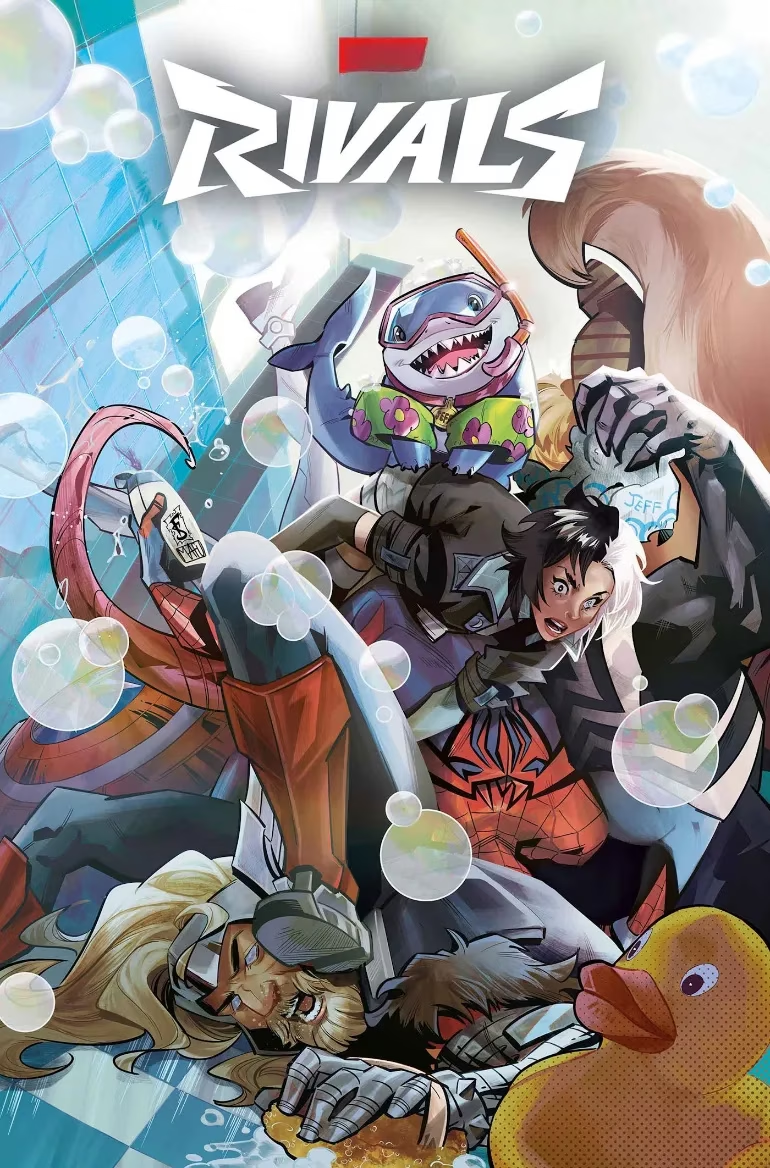
The Multiversal Formula: A Recipe for Success
The instant success of both the game and its comic adaptation is no accident. Stories set within the chaotic tapestry of the Marvel Multiverse have consistently proven to be commercial and critical hits. From screen successes like Spider-Man: Into the Spider-Verse, the Loki series, and Deadpool & Wolverine to comic book epics like Secret Wars, audiences are fascinated by seeing wild alternatives to their favorite characters. The Marvel Rivals comic taps directly into this appeal. It functions like a cosmic bazaar of possibilities, where every character is a unique artifact from a different reality, colliding in spectacular fashion. The game itself has amassed thousands of hours of gameplay as fans from all mediums converge, and the comic serves as a perfect supplementary experience. It has, ironically, left some readers wishing for more narrative depth in the game itself, highlighting the strength of Paul Allor's writing in building character rapport amidst the chaos.
The Call for a Full Printed Series
Given the thriving ecosystem around Marvel Rivals, there is a strong and vocal demand from the community for Marvel to invest further. The one-shot physical book is a welcome start, but fans are hopeful for a complete, ongoing printed series. The hype surrounding the game shows no signs of abating, and a comic series could explore backstories, new team-ups, and missions beyond the game's maps. A full series would allow for deeper dives into the lore of Tokyo 2099 and the wider ramifications of the shattered Web of Life and Destiny. Supporting this expanded universe would be a strategic move, akin to cultivating a cultural mycelium network—the comic, game, and future media all feeding into and strengthening a single, vast fictional organism. The digital Marvel Rivals Infinity Comic #1 and #2 are available now, with the full six-issue series collected into the physical one-shot available worldwide.
A Glimpse into the Arena: The Game That Inspired It All
For context, the source material is a major player in the current gaming landscape. Below is a snapshot of the Marvel Rivals video game as it stands in 2026:
| Feature | Detail |
|---|---|
| Title | Marvel Rivals |
| Genre | Third-Person Shooter, Action, Multiplayer |
| Release Date | December 6, 2024 |
| ESRB Rating | T for Teen (Violence) |
| Developer/Publisher | NetEase Games |
| Game Engine | Unreal Engine 5 |
| Multiplayer | Online Multiplayer & Co-Op |
| Cross-Platform Play | Limited (console crossplay, no PC crossplay) |
| Franchise | Marvel |
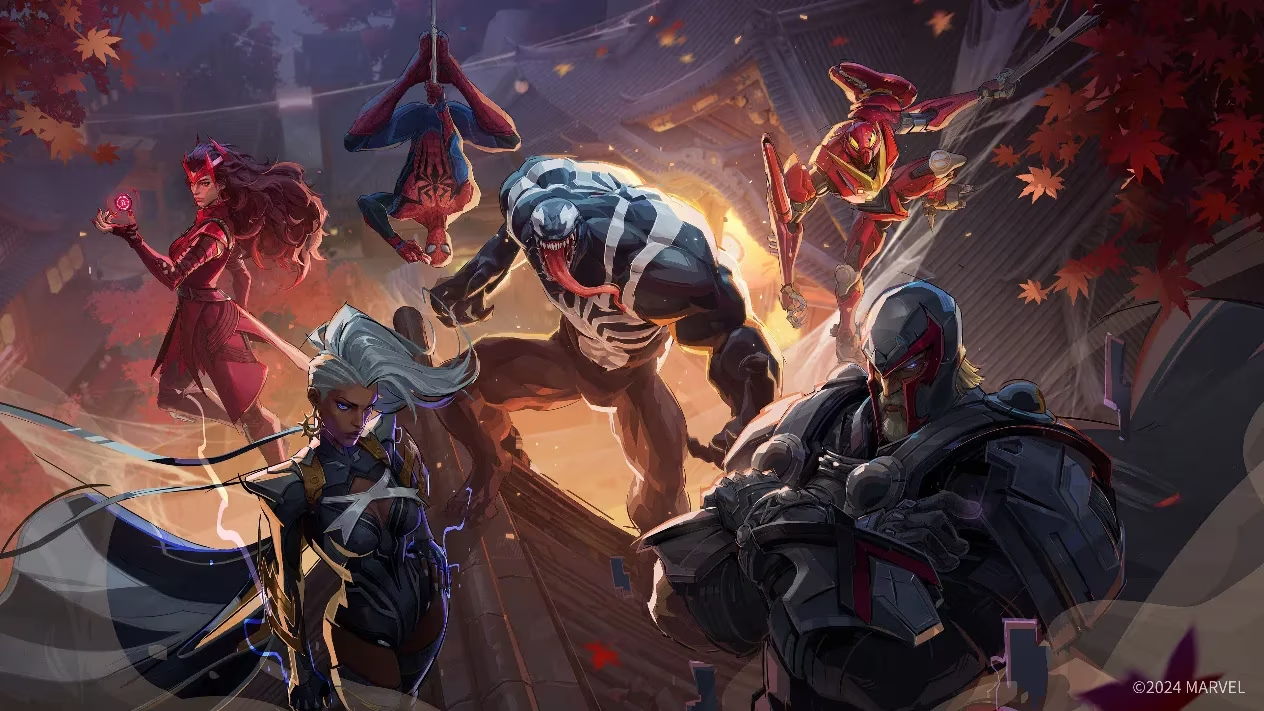
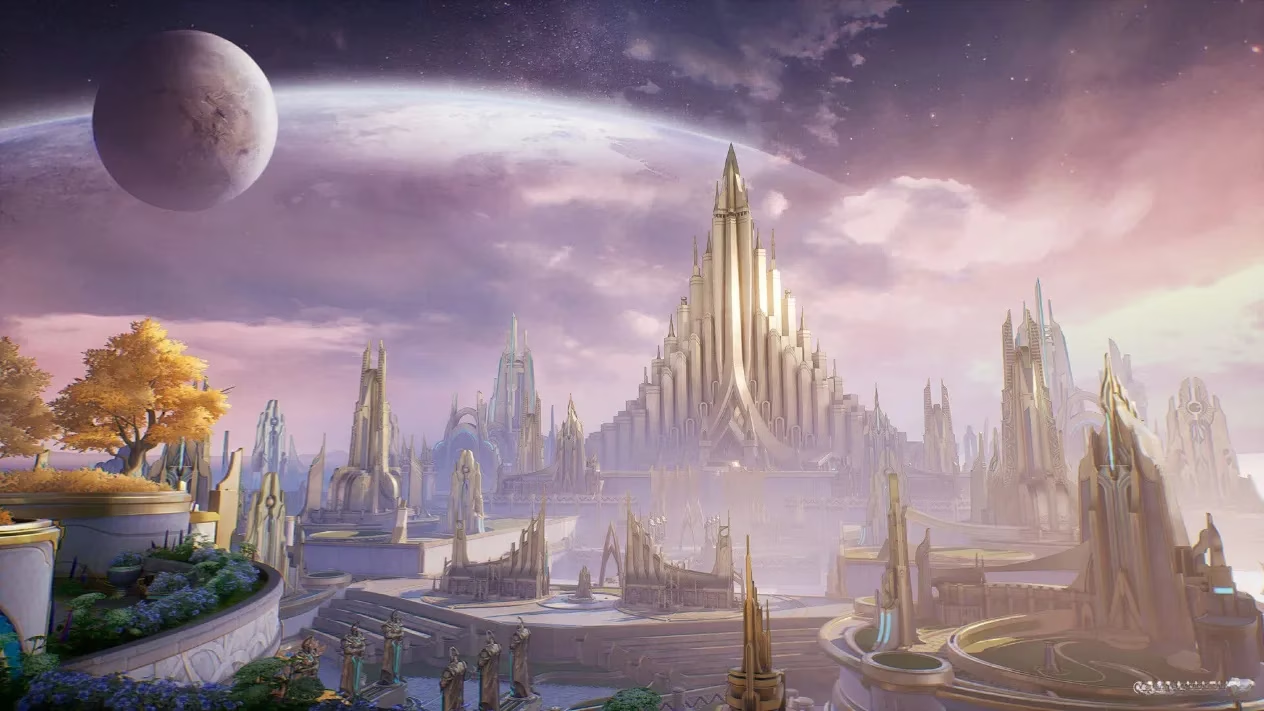
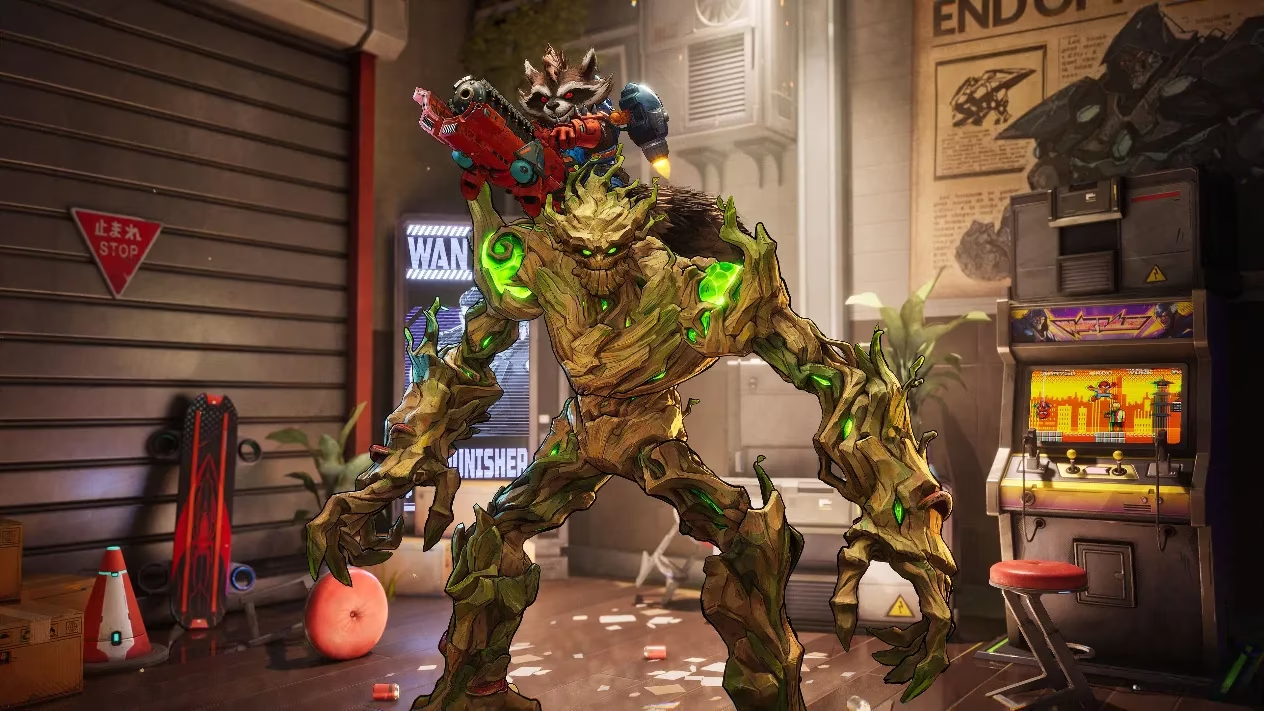
The game's vibrant and competitive world is captured in stills that echo the comic's energy, showcasing its diverse cast and dynamic environments.
In conclusion, the Marvel Rivals Infinity Comic one-shot successfully bridges the gap between interactive and traditional media. It captures the explosive action of the game while adding a layer of character-driven authenticity that enriches the overall universe. As the Multiverse continues to be a fertile ground for storytelling, this comic stands as a testament to the enduring appeal of seeing heroes clash, cooperate, and converse in ever-new configurations. The future looks bright for this franchise, and the collected physical edition is a must-have artifact for any fan of chaotic, charismatic superhero action. 🦸♂️💥🦈